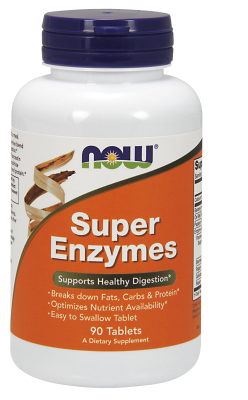
- *MSRP:
$49.98- Our Price:
- $36.00
- Buy: at $36.00


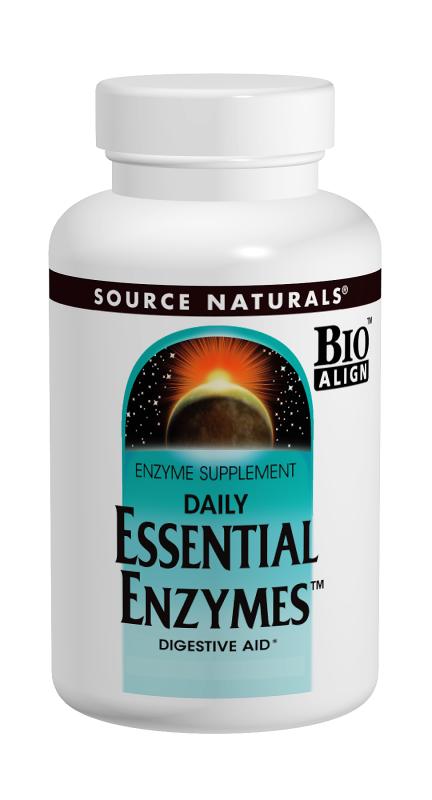
When mealtime leaves you feeling uncomfortably full, bloated, or sluggish, the issue often comes down to an enzyme mismatch. Source Naturals Essential Enzymes 500 mg Vegetarian delivers an all-plant, broad-spectrum digestive formula designed to break down proteins, fats, complex carbohydrates, milk sugars, and dietary fiber across the entire digestive cycle.
Product Highlights at a Glance:
Item SKU: SN1303 | UPC: 021078013037 | Size: 240 Vegetarian Capsules (Also available in 60 and 120 counts)
Your body relies on specialized biological catalysts called digestive enzymes to dismantle dense meals into microscopic nutrients your bloodstream can absorb. However, endogenous enzyme production naturally diminishes with normal aging, chronic stress, rapid eating habits, and common gastrointestinal challenges.
When food sits partially undigested in the upper gastrointestinal tract, gut bacteria ferment the remaining carbohydrates and proteins. This fermentation is what produces gas, post-meal heaviness, cramping, and inconsistent bowel movements.
In standard vitamin formulas, milligrams (mg) measure weight. But with digestive enzymes, weight alone means very little. Two capsules can both contain 500 mg of powder, yet one might possess ten times the digestive horsepower of the other. Enzyme strength is verified using the Food Chemicals Codex (FCC) national standard. FCC units (such as HUT for protein or DU for carbohydrates) measure active catalytic rate — exactly how much substrate the enzyme breaks down per minute under physiological conditions.
Source Naturals Essential Enzymes 500 mg Vegetarian explicitly lists both the total blend weight (500 mg per capsule) and the exact FCC activity units for every individual enzyme, providing total transparency regarding its digestive potency.
Many conventional digestive supplements rely on animal pancreatin (derived from porcine or bovine slaughterhouse by-products). While animal pancreatin can assist pancreatic insufficiency, it suffers from a major physiological limitation: it is easily deactivated by stomach acid.
Porcine pancreatin requires a neutral-to-alkaline pH (approximately 6.8 to 8.0) to operate. Without a protective chemical coating, normal stomach acid (pH 1.5 to 3.5) destroys animal pancreatin before it ever reaches the small intestine.
By utilizing pure microbial enzymes isolated through clean fermentation (such as non-pathogenic Aspergillus species), Essential Enzymes start pre-digesting food in the upper stomach reservoir within the first 30 to 45 minutes of a meal, before gastric acid reaches peak concentration.
Transparency is crucial when choosing a digestive support supplement. Below is the verified, exact nutrient breakdown per 1 vegetarian capsule:
Serving Size: 1 Vegetarian Capsule
Servings Per Container: 240
| Amount Per Serving | % Daily Value |
|---|---|
| Essential Enzymes® Blend Yielding | 500 mg † |
| To Break Down Protein: | |
| Vegetal Analog of Pancreatin (Fungal Pancreatin) | 28,625 HUT |
| Acid-Stable Protease | 70 SAP |
| To Break Down Fats: | |
| Lipase | 375 FIP |
| To Break Down Carbohydrates: | |
| alpha-Amylase | 630 DU |
| Amyloglucosidase (Glucoamylase) | 2 AG |
| To Break Down Fiber: | |
| Cellulase | 100 CU |
| Hemicellulase | 325 HCU |
| To Break Down Milk Sugar: | |
| Lactase | 40 ALU |
† Daily Value (DV) not established.
Hydroxypropyl methylcellulose (vegetarian capsule), calcium sulfate, stearic acid, silica, and magnesium stearate.
Suitable for Vegetarians. Contains NO yeast, dairy, egg, gluten, soy, or wheat. Contains NO sugar, salt, artificial color, artificial flavor, fragrance, or chemical preservatives.
Different foods require distinct molecular "scissors" to snip complex macronutrients into bioavailable building blocks:
Breaks complex dietary proteins (from beans, grains, nuts, dairy, or meats) into digestible peptides and free amino acids. The dual-action pairing combines an acid-stable protease (thriving in low pH gastric juice) with broad-range fungal protease, preventing heavy, unabsorbed protein residues from irritating the gut lining.
Splits dietary triglycerides and dietary fats into monoglycerides and beneficial fatty acids. Supplemental lipase helps prevent post-meal bloating and sluggishness often triggered by rich dressings, plant oils, avocado, or high-fat meals.
Amylase hydrolyzes long carbohydrate chains found in rice, potatoes, oats, and breads. Amyloglucosidase (glucoamylase) finishes the job by cutting the terminal glucose units, ensuring rapid conversion into cellular energy before starches can trigger gut fermentation.
The human body cannot produce cellulase, which is why raw salads, cruciferous vegetables (broccoli, cabbage), and legumes often create significant abdominal distension. Cellulase and hemicellulase break the tough polysaccharide bonds in plant cell walls, freeing trapped phytonutrients without triggering excess gas.
Hydrolyzes lactose into simple, easily absorbable galactose and glucose. This supports digestive peace when consuming dairy products or foods prepared with hidden milk solids.
Exogenous enzyme supplementation is supported by decades of peer-reviewed clinical research examining gastric residence times, nutrient malabsorption, and gastrointestinal comfort:
Scientific References:
1. Ianiro G, Pecere S, Giorgio V, Gasbarrini A, Cammarota G. Digestive Enzyme Supplementation in Gastrointestinal Diseases. Curr Drug Metab. 2016;17(2):187-193. doi:10.2174/138920021702160114150137.
2. Roxas M. The role of enzyme supplementation in digestive disorders. Altern Med Rev. 2008;13(4):307-314.
3. Montalto M, Curigliano V, Santoro L, et al. Management and treatment of lactose malabsorption. World J Gastroenterol. 2006;12(2):187-191.
Standard Dose: Take 1 capsule with water at the very beginning of each meal. If you are consuming an exceptionally large, rich, or complex meal, a second capsule may be taken mid-meal.
Capsule-Sprinkle Option: If you prefer not to swallow capsules, you may gently pull the two halves of the vegetarian capsule apart and sprinkle the enzyme powder directly over cold or room-temperature food (such as applesauce or lukewarm grain bowls).
Important Temperature Rule: Never sprinkle enzymes onto steaming-hot food or mix them into boiling liquids. High heat (above 118°F / 48°C) denatures and permanently deactivates natural enzymes.
Daily Limit: Do not exceed 6 capsules in a 24-hour period unless supervised by a physician. Store in a cool, dry place with the cap tightly sealed to maintain maximum enzymatic potency.
Digestive enzymes are biologically active proteins that act immediately as chemical catalysts to break down food molecules during a meal. Probiotics are living beneficial bacteria that populate the lower small intestine and colon to support long-term gut flora balance and immune health. Enzymes work in the present meal; probiotics cultivate your microbiome over weeks and months.
Always take your capsule within the first few bites of your meal. This timing allows the enzymes to mix thoroughly with food inside the stomach fundus, initiating breakdown before gastric emptying begins. Taking them hours after eating or on an empty stomach is significantly less effective for digestive relief.
Yes. Unlike traditional pancreatin supplements extracted from the pancreas glands of pigs or cows, Essential Enzymes 500 mg Vegetarian utilizes fungal and microbial analogs cultivated via fermentation, encased in pure plant-derived cellulose capsules.
No. Unlike endocrine hormones (like thyroid hormones or testosterone), supplemental digestive enzymes operate purely within the digestive tract and do not shut down endogenous pancreatic enzyme synthesis. They assist the digestive burden without suppressing natural digestive secretions.
Yes. This formula contains specific fiber-digesting enzymes — Cellulase (100 CU) and Hemicellulase (325 HCU) — that cleave complex plant fibers and polysaccharides found in beans, broccoli, kale, and grains, reducing the substrate that colonic bacteria ferment into gas.
Essential Enzymes are well tolerated by most individuals. However, if you suffer from active stomach ulcers, gastritis, or severe gastroesophageal reflux, consult your physician before taking protease-containing supplements, as proteases can irritate compromised mucosal linings. Pregnant or lactating women should always consult their healthcare provider prior to starting any new dietary supplement.